

LatestUrology & Nephrology News
Impact of Blood Sugar on Mortality in Diabetic Kidney Disease
Let's explore what this means for those affected by this condition. Learn more at Urology Today.
Can’t pass urine, fever with back pain, or sudden testicle pain? These need urgent care today.Urgent urology symptoms What to do
Urology & nephrology · 447 articles
Kidneys, bladder, prostate.
Explained, and up to date.
LatestUrology & Nephrology News
Let's explore what this means for those affected by this condition. Learn more at Urology Today.



Just published

Urology & Nephrology News

Urology & Nephrology News

Urology & Nephrology News

Urology & Nephrology News

Urology & Nephrology News

Urology & Nephrology News

Urology & Nephrology News

Urology & Nephrology News
Explore the urinary tract
About 180 litres of blood filtered a day
Two bean-shaped organs below the ribs that filter waste and extra water out of the blood, balance salts and help control blood pressure. Kidney stones and chronic kidney disease start here.
Urinary symptom score (IPSS)
The seven questions urologists use to grade a weak stream, urgency and getting up at night. Think about the past month.
Prostate-specific membrane antigen (PSMA) is a surface protein that is normally present on healthy prostate cells, but is found at much higher levels on prostate cancer cells. It is barely found in the rest of the body. “Therefore, PSMA is an ideal target for diagnostic purposes as well as targeted therapies against prostate cancer,” says
5 min read
A recent study reported in The Journal of Nuclear Medicine compared use of the novel Ga-68-PSMA-ligand PET/CT with other imaging methods and found that it had substantially higher detection rates of prostate-specific membrane antigen (PSMA) in patients with biochemical recurrence after radical prostatectomy. Discovering a recurrence early can strongly influence further clinical management, so it
4 min read

Like many men his age, Marlin Zook began getting prostate screenings about 15 years ago even though he had no risk factors for prostate cancer. When his PSA level turned up elevated, his doctor began watching it more closely. A biopsy in 2000 showed abnormal cells deemed moderately aggressive. Zook underwent radiation and today, at
6 min read

Patients with kidney tumours larger than four centimetres are much more likely to enjoy good long-term renal function if they undergo nephron-sparing surgery rather than radical nephrectomy, according to a study in the February issue of the urology journal BJUI. Researchers from the Department of Urology at Johannes Gutenberg University in Mainz, Germany, studied 166
4 min read

Kidneys & stones
Check your colour
Vitamins (B2), beetroot and some medicines change urine colour too. General guidance; people with heart or kidney failure may need to limit fluids.
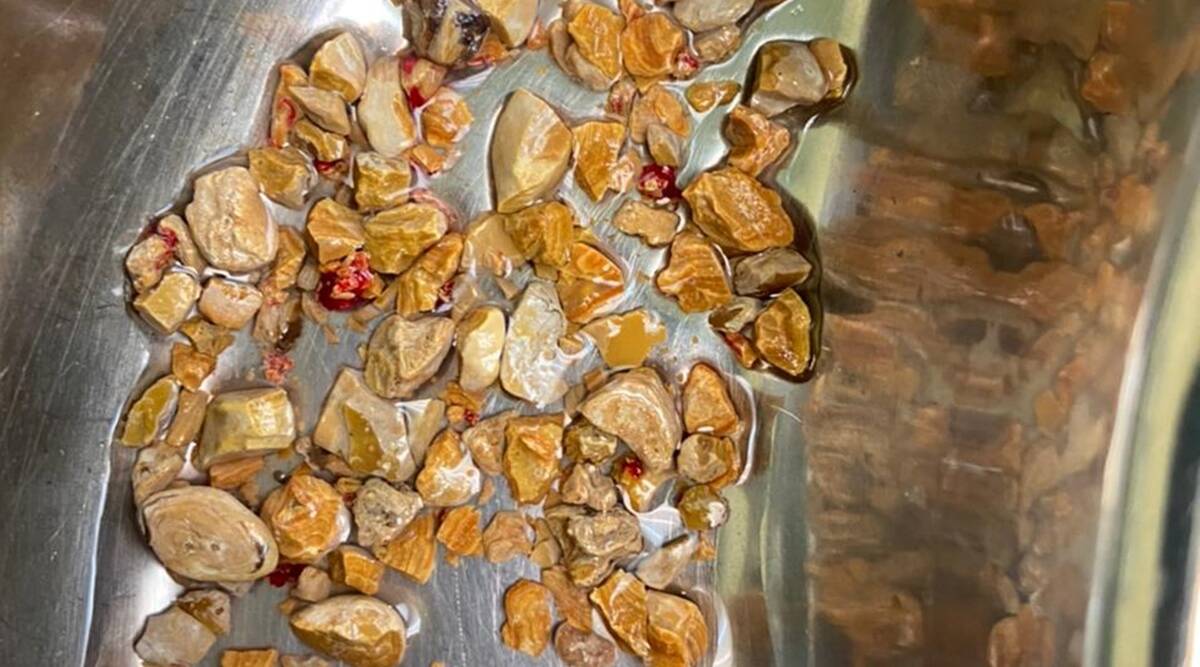
In a new evidence-based clinical practice guideline published today in Annals of Internal Medicine, the American College of Physicians (ACP) recommends that people who have had a kidney stone increase their fluid intake to achieve at least two liters of urine per day to prevent another kidney stone from forming. If increased fluid intake fails
Apr 28, 2011
Apr 28, 2011
Apr 28, 2011
Apr 27, 2011
People with loss of urinary control who used the Yoga of Immortals mobile app—a globally used app that combines specific yogic postures in the Sanatan tradition with breathing exercises, sound therapy and meditation—found significant improvement in the frequency and severity of urine leaks at four weeks of practice, according to a Rutgers study. Urinary incontinence
5 min read
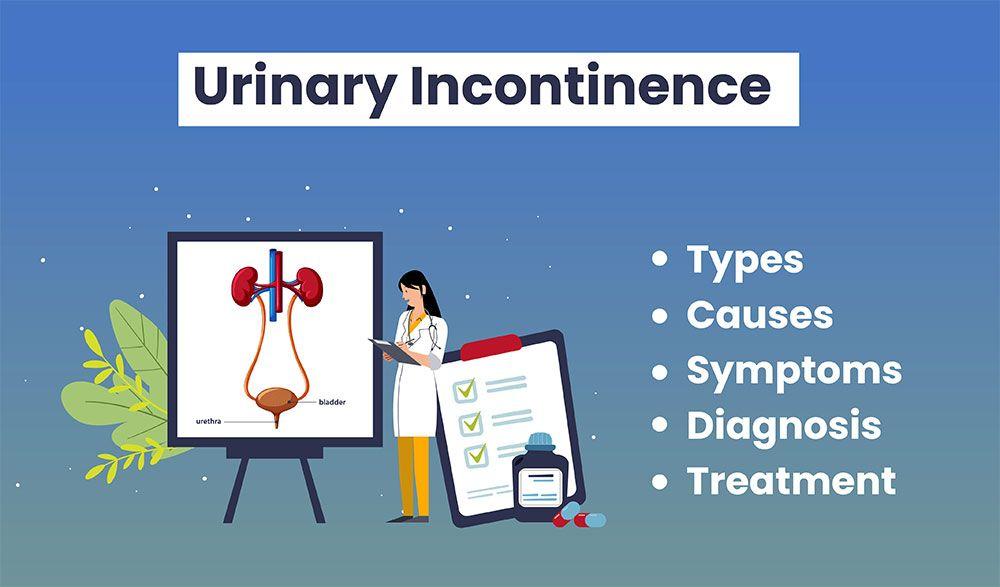
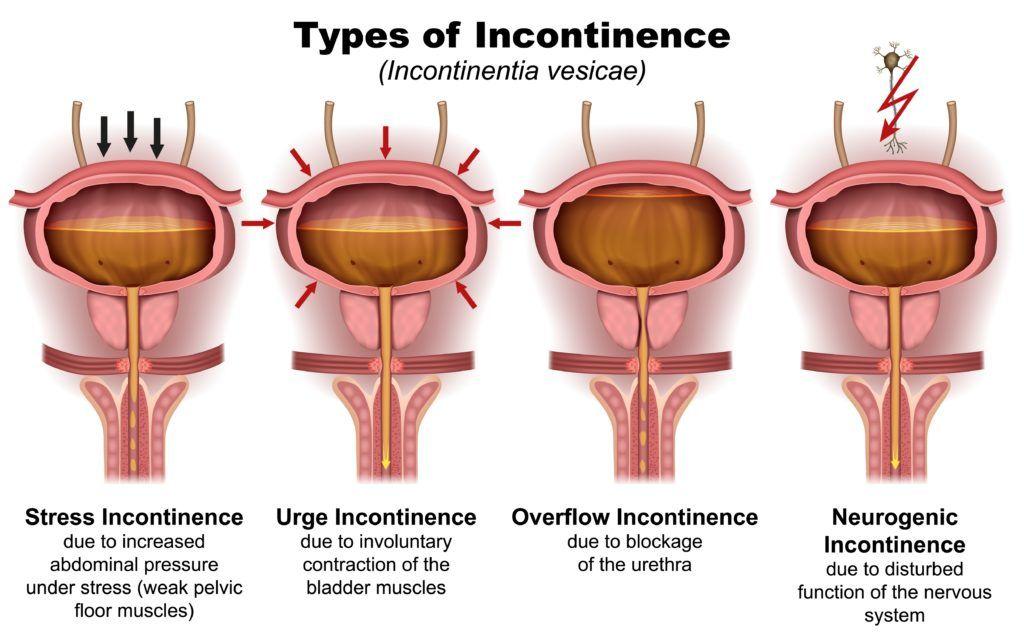
Urinary incontinence (UI), or the unintentional loss of urine, is a problem for more than 13 million Americans—85 percent of them women. Although about half of the elderly have episodes of incontinence, bladder problems are not a natural consequence of aging, and they are not exclusively a problem of the elderly. Incontinence has several causes.
9 min read
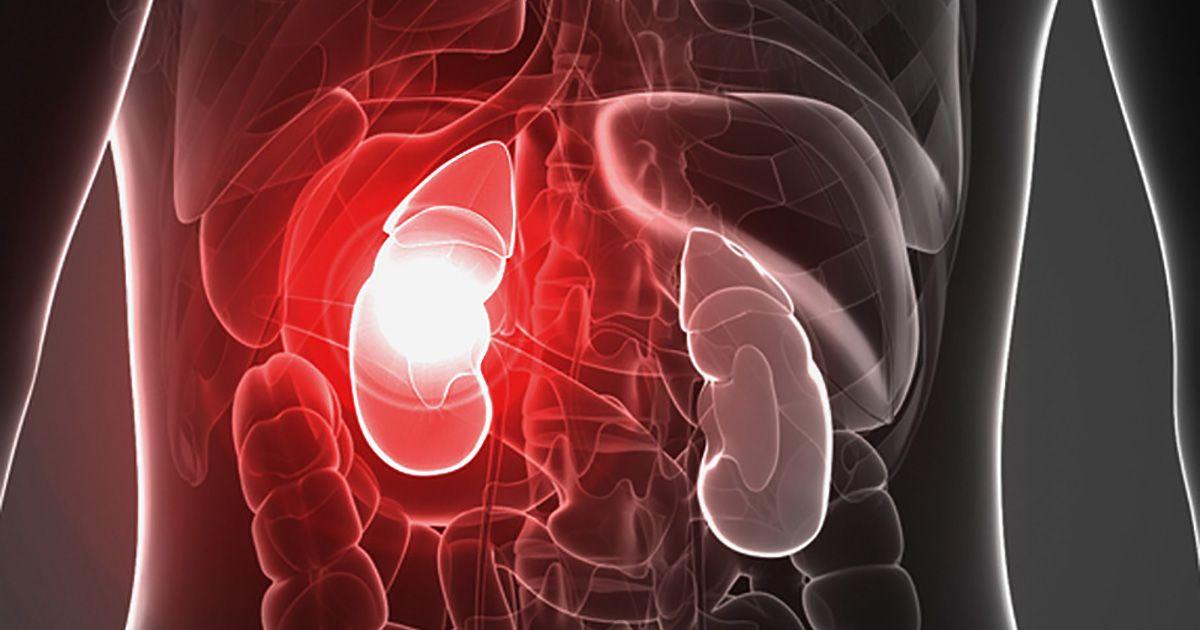
Researchers at Duke Medicine have determined that kidney function plays a critical role in the fate of patients being treated for sepsis, a potentially life-threatening complication of an infection. In a study published May 20, 2015, in the journal Kidney International, Duke researchers and their colleagues identified physiological changes at the molecular level that might
4 min read
Although urodynamic testing is frequently performed as part of the evaluation of SUI, the benefits obtained by performing such testing have not been well defined. Advocates of a “minimalist” approach argue that direct observation of stress incontinence on physical examination is sufficient to allow the treating physician to proceed with surgery in the majority of
2 min read
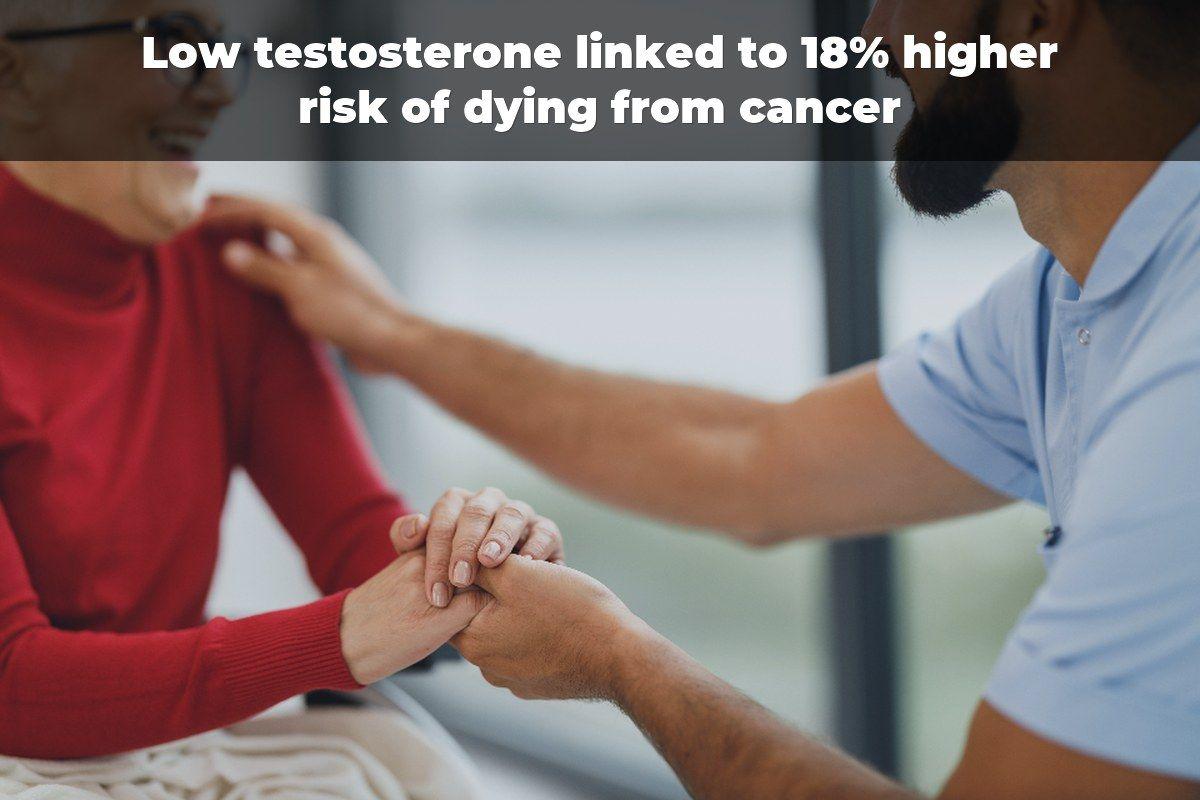
A deficiency in testosterone can lead to a variety of symptoms, such as fatigue, reduced libido, and mood changes. Learn more at Urology Today.
7 min read
GLP-1 helps regulate blood sugar by increasing insulin release, reducing glucagon secretion, and slowing gastric emptying. Learn more at Urology Today.
8 min read

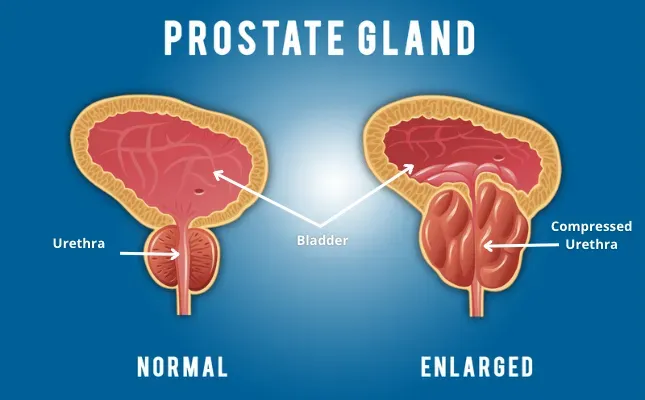
Fitness experts insist that Yoga helps combat prostate growth by strengthening the muscles of the pelvic floor for better bladder control and lessens the severity of benign prostatic hyperplasia symptoms in men. Try these Yoga asanas with their steps inside Only in the male reproductive system is the prostate gland, a little endocrine gland that
4 min read

A study of men treated in Veterans Health Administration facilities suggested that lower prostate-specific antigen (PSA) screening rates were associated with subsequent increased rates of metastatic prostate cancer. Across 128 facilities, PSA screening rates declined from 47% in 2005 to 37% in 2019, which was observed across all ages and races, reported Brent S. Rose,
6 min read
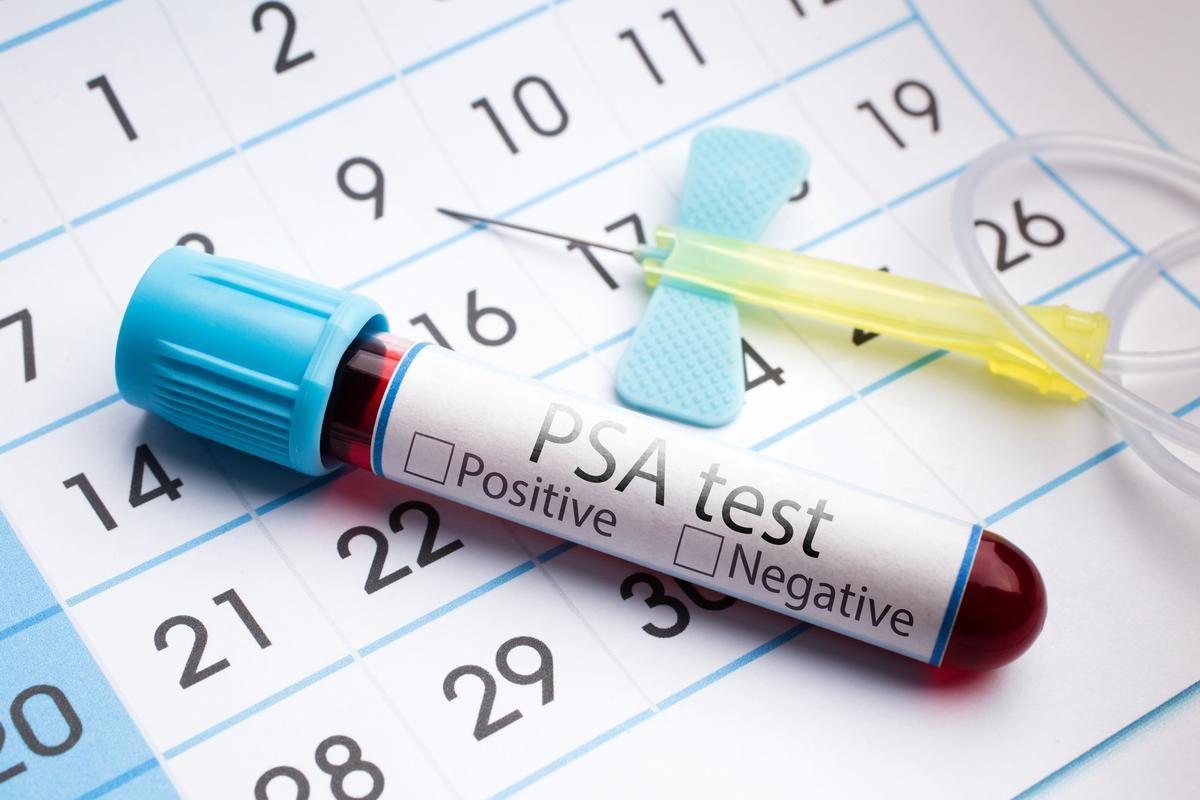
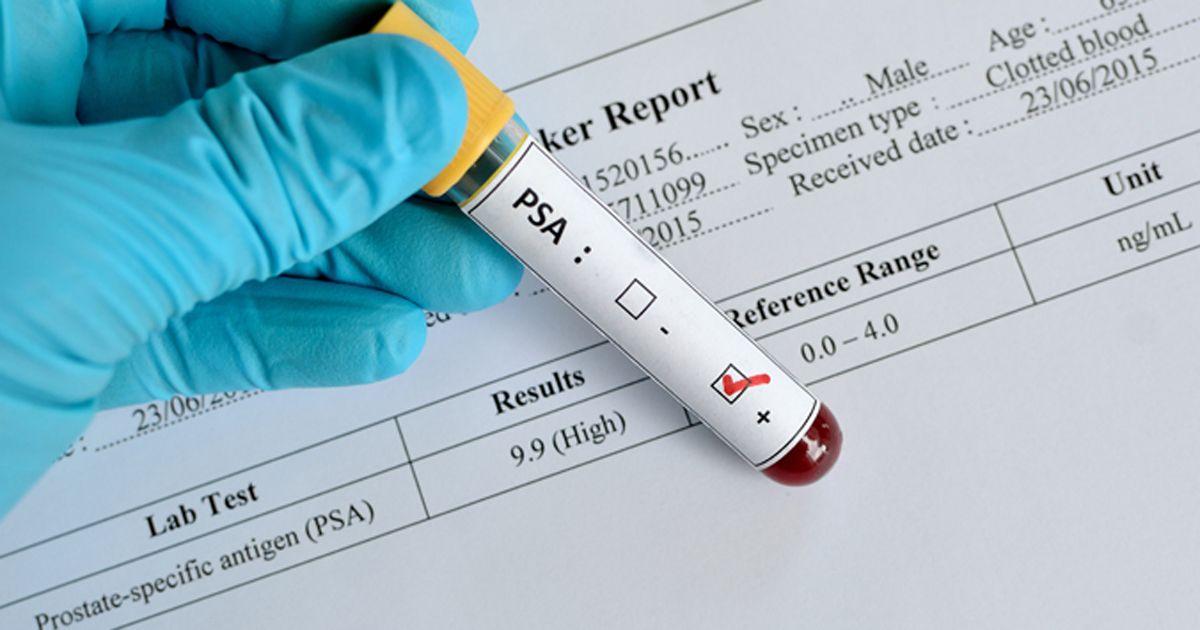
A promising new test is detecting prostate cancer more precisely than current tests, by identifying molecular changes in the prostate specific antigen (PSA) protein, according to Cleveland Clinic research presented today at the American Urological Association annual meeting. The study – part of an ongoing multicenter prospective clinical trial – found that the IsoPSATM test
4 min read
Conventional imaging methods have limited sensitivity for detecting metastatic prostate cancer. With appropriate, timely treatment vital to survival and quality of life, better imaging has been an ongoing goal. A recent study, reported in the January issue of The Journal of Nuclear Medicine, has now shown in a prospective, systematic manner that a PET/CT scan,
4 min read
A new urine-based test improved prostate cancer detection – including detecting more aggressive forms of prostate cancer – compared to traditional models based on prostate serum antigen, or PSA, levels, a new study finds. The test, developed at the University of Michigan Comprehensive Cancer Center, is called Mi-Prostate Score, or MiPS. It combines PSA with
4 min read

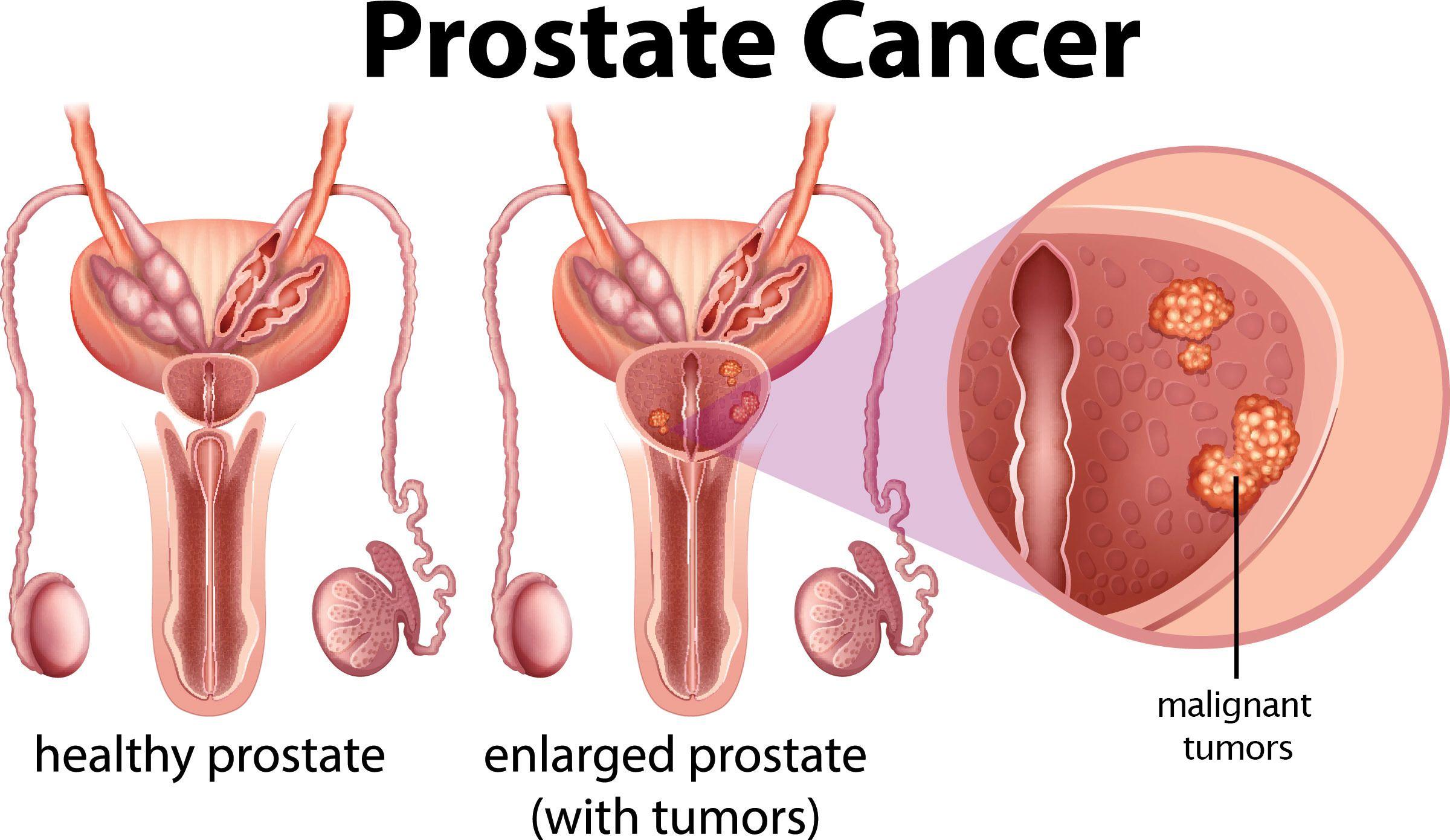
Even with the best available treatments, the median survival of patients with metastatic, hormone-refractory prostate cancer is only two to three years. Driven by the need for more effective therapies for these patients, researchers at VCU Massey Cancer Center and the VCU Institute of Molecular Medicine (VIMM) have developed a unique approach that uses microscopic
6 min read
Start here
Reference articles that explain how the system works and the most common conditions. A good place to begin.
Urinary symptoms?
Weak stream, urgency, up at night? Score it in two minutes.
Seven questions from the International Prostate Symptom Score show whether symptoms are mild, moderate or severe, and when to see a doctor.
When to get help
Call 911 or go to an emergency department if you have any of these:
Outside the US, call your local emergency number.
See a doctor within days
General guidance only. If you are unsure how urgent a symptom is, call your doctor or a nurse advice line.